
I will respect the privacy of my fellow members
The physical environment of our homes speaks constantly to our nervous systems, either amplifying stress or inviting calm. For families navigating the beautiful chaos of life together, thoughtfully designed spaces can make the difference between constant friction and harmonious flow. Creating a home atmosphere that supports emotional regulation isn’t about aesthetic perfection—it’s about intentional choices that serve your unique family’s needs.
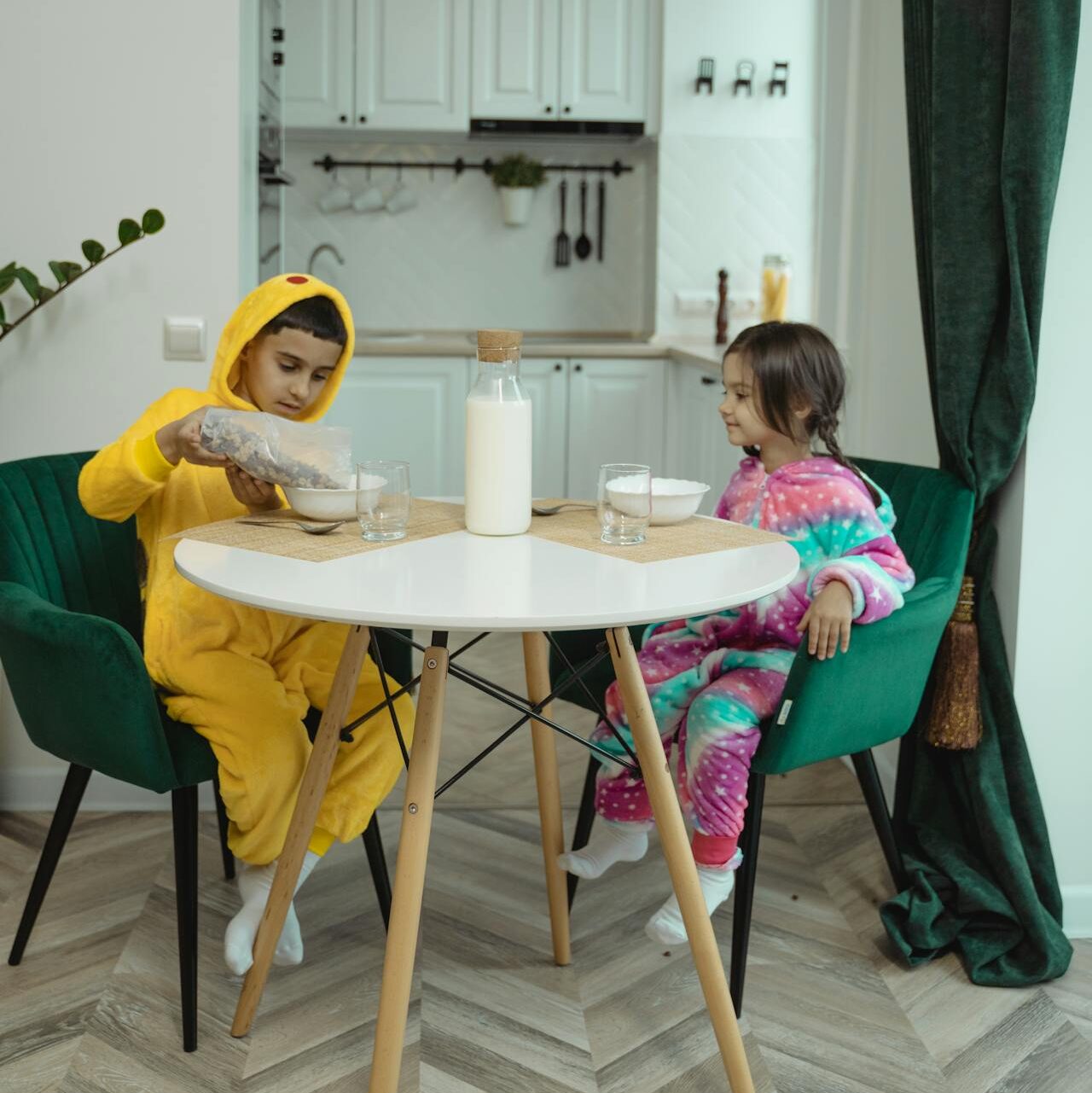
Begin by observing how your family actually uses your home, rather than how you think spaces “should” function. Which areas generate tension? Where do people naturally gather? Where do conflicts typically erupt? This awareness creates the foundation for meaningful adjustments.
Entryways deserve special attention as transition zones. A cluttered, disorganized entry point creates immediate stress upon arrival home. Consider creating individualized drop zones—a hook, bin, and shelf for each family member—scaled appropriately for different ages. One family I know added a small cushioned bench in their entryway with a sign reading “Pause Here,” creating a mindful moment of transition between outside demands and home life.
Open-concept living has benefits but also challenges for family harmony. Creating visual boundaries through furniture arrangement, area rugs, or even strategically placed plants can help define spaces while maintaining connection. Consider designing “activity pockets” throughout shared spaces—a cozy reading nook in the living room corner, a small art table near the kitchen—allowing family members to be separately together.
Sensory elements profoundly impact our stress levels. Assess your home’s lighting, noticing harsh overhead fixtures that might contribute to overstimulation. Layered lighting with multiple soft sources gives you flexibility throughout the day. Similarly, consider your home’s soundscape—constant background TV, competing audio sources, or noisy appliances create subconscious tension. Introducing sound-absorbing elements like rugs, curtains, and soft furnishings can dramatically change how a space feels.
Color choices significantly affect mood and behavior. While bright primary colors can energize play spaces, they may increase arousal in areas meant for calm. Consider the emotional impact of your color palette, perhaps reserving stimulating hues for accents while keeping backgrounds in calming neutrals or soft tones.
Clutter speaks loudly to our nervous systems, creating visual noise that impedes focus and relaxation. Rather than aspiring to minimalism, aim for intentionality—regular “editing” of possessions with the whole family involved. Creating simple systems for ongoing organization empowers even young children to participate in maintaining order.
Every family needs both connection zones and retreat spaces. Designate areas specifically for togetherness—perhaps a dining table that remains clear for meals and games, or a living room arrangement that facilitates eye contact and conversation. Equally important are legitimate retreat options for all family members, including children. Even in small homes, creating tiny sanctuaries—a cozy corner with headphones, a special chair by a window—acknowledges the need for occasional solitude.
The most calming homes incorporate elements of nature. Houseplants, natural materials, stones, shells, and views of outdoors reduce stress hormones and increase wellbeing. One family created a “peace corner” with a small tabletop fountain, smooth stones for handling, and several easy-care plants—a destination for regrouping during emotional moments.
Remember that a stress-reducing home environment evolves with your family. Revisit and adjust your space design as children grow and family needs change. The goal isn’t perfection but rather creating a physical container that supports your most important relationships and nurtures the heart of family life.